
Talentless High Performance Behaviours
Mental Skills Anyone Can Master

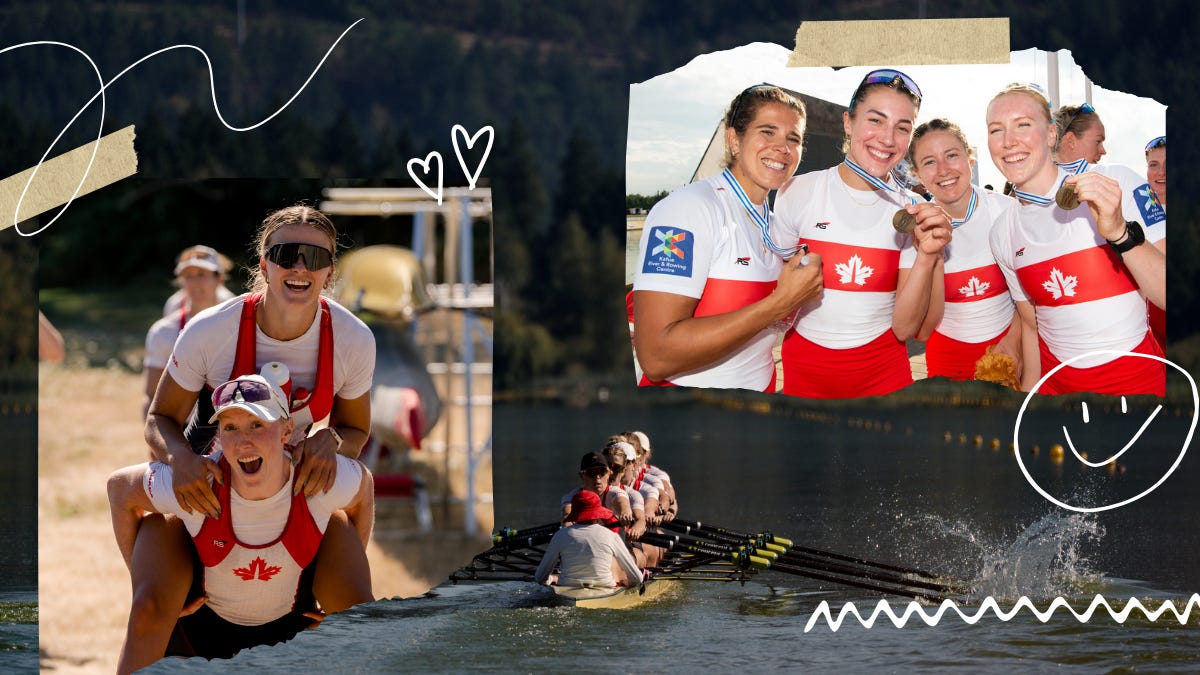
The Olympic and Paralympic Games are an inspiring showcase of a diverse group of athletes who have overcome challenges to shine on the biggest stage in sport. But what differentiates them from others that don’t get to wear the rings? I always attributed their success to natural talent, while categorizing myself as someone not innately gifted but possessing a tenacious work ethic. I lived by the saying, “Hard work beats talent when talent doesn’t work hard.” And I believed that sentiment has some truth to it- until I met some of the best national-level athletes.
At the elite level in rowing, all athletes follow the same program and have similar years of experience in the boat, yet some dominate the race course while others struggle to realize marginal improvements. Besides the raw effort it takes to compete at an international level, I believe some athletes practice talentless behaviours that push them to the forefront of their field. This post is all about the behaviours I have observed in top athletes, regardless of their natural predisposition to sport.
Strategic Effort
Top athletes are strategic and deliberate with their practice sessions. Contrary to what many might think defines competitive phenoms, top athletes do not aim to ‘win’ every session; they aim to complete it with focused intention. They understand that a long zone 2 session has a different purpose than side-by-side pieces and that, if executed correctly, it will result in technical and physiological gains. They have the maturity to understand their physical limits and the confidence to step back when the training becomes unproductive to their health. Conversely, athletes who stall on their improvement curves tend to treat every workout as an all-out effort. I was that athlete.
I thought that tactic would urge my body to adapt while cultivating a bulletproof mindset that would help me push through the pain of any race. What actually happened was constant fatigue and reliance on anaerobic pathways, which stalled my physiological progress. Additionally, my hyperfixation on ‘winning’ the workout distracted me from making technical changes. The environment demands a lot of its athletes, and being the best means understanding what is and isn’t worth the struggle.
Curiosity
Top athletes are not afraid to ask questions and can process feedback productively. They are curious about all the seemingly minuscule aspects of their craft and can get lost in conversations about an array of topics, including technique, physiology, mindset and more. These athletes also welcome feedback, seeing each point as an efficient means to improvement rather than an attack on their personal abilities. This last point is especially challenging to master, as it requires a very secure sense of confidence, yet an openness to the possibility of change. The bottom line is that learning more is not intimidating to these athletes, but a core motivation.
Willingness to Endure
There is a race call that sticks with me from Kristen Kit, a two-time Olympian and Paralympian:
“Stick your hand in the fire and stay there.”
An intangible characteristic of top racers is the ability to absolutely bury themselves in the pain cave and choose to go further. There have been two different streams of mental fortitude I have come across during my time on the national rowing team:
Those that crave the burn,
Those who dissociate their mind from their body.
When I asked Terek Been, the current Canadian 2km erg record holder, what he thought and felt during the erg, I was surprised at his response. He could barely recall feeling anything; his mind was on a track, and his body was on autopilot. On the flip side, I have felt a sense of pride in pushing past the overwhelming internal alarms to stop and seeing a lactate over 24 mmol/L. Both bring an intense presence in the moment, fueling a sense of accomplishment, knowing that I have overcome evolutionary restraints. Even though this skill can manifest in different ways, an athlete’s approach to the emotional burden of the pain cave is indicative of top racers.
Adaptability
I believe that adaptability stems from a deeply secure confidence in experience and the wisdom to trust one’s ability regardless of circumstances. Top athletes are meticulous in their preparation and recovery strategies, yet flexible in the face of factors beyond their control. They are able to prioritize their focus- and remain calm if they are forced to deviate from their plan.
This year, a week before our first World Cup, I fell sick, and the team did not select any spares to fill in for me. Still processing mucus and phlegm, I remember my coach asking me how I was feeling about racing. I responded:
“I’m ready to race. I have done way harder things while sick before, and in reality, it is very unlikely to have a race where everything is 100% perfect.”
I could back myself from previous experience, and I felt grounded in knowing I was doing everything I could to show up for my teammates. When you have taken care of what you can control, nothing else is worth the energy ruminating over. Top athletes do not falter when they need to deviate from the plan; they recognize that racing and training are rarely perfect, and they trust themselves anyway.
Joy
Finally, I believe the best athletes are those who find moments of joy in racing and training. Joy is an unapologetic unmasking of a rigid attitude and an embrace of the freedom of childlike giddiness. These athletes intertwine humour into difficult situations, brightening up the often painful aspects of daily training. When athletes are joyful, they feel secure in their environment, reducing anxiety tied to performance expectations.
A great example is the shenanigans of the Women’s National Rowing Team at our 2025 mid-summer camp in Strathcona, BC. The athlete accommodation included four levels of harmless pranks to share a laugh and strengthen relationships among conspirers. Speakers playing fart sounds, suspicious Nutella, and furniture Feng Shui were how we released inhibitions and bonded as a group. Joy not only revitalized the fun in sport but also helped set a precedent for team connection.
Closing Thoughts
A key takeaway from this post is that all of these characteristics can be developed through mental training and the joy of the journey. The brain is immensely adaptable, and anyone can leverage neuroplasticity to become a top performer in any discipline. None of these characteristics requires a greater work ethic or a manufactured mindset; rather, they are the result of a love of the pursuit, something I hope each person experiences in their unique way.
joymaxing vibes